


NASHVILLE, Tenn. — Outbreaks of highly pathogenic avian influenza continue to wreak havoc nationwide in both commercial and backyard poultry flocks. With these occurrences going into the winter, Tennessee officials, along with other states, are issuing reminders to stay vigilant against the virus.
The Tennessee Wildlife Resources Agency is requesting the state’s waterfowl hunters to take the essential precautions against bird flu found in wild birds for the protection of domestic flocks.
“I am hearing reports out of Arkansas and Mississippi of snow geese infected with HPAI,” Jamie Feddersen, TWRA migratory gamebird coordinator, said in an announcement. “I would recommend anyone handling a wild duck or goose to be mindful and use safety precautions. Anyone seeing sick or dying birds should report them through the TWRA reporting system.”
This reporting portal can be reached online at https://www.tn.gov/twra/sick-birds.html.
The TWRA, which manages and protects wildlife species for Tennessee residents and visitors, also offers several hunter recommendations to protect against the spread of bird flu. Among the recommendations include:
· If the waterfowl also raises poultry, works on a poultry farm, or has any reason to visit a poultry farm, all outer clothing layers of hunting attire, including boots, should be changed before entering any poultry facilities.
· For hunters who handle wild birds, the game birds should be dressed in the field whenever possible, and the remains should be buried where the birds were harvested. Or they should be double-bagged and disposed of with other waste.
· Clean hunt clothing as soon a possible to prevent possible contamination and treat hunting boots with a 10 percent bleach solution before and after entering any commercial or backyard poultry facilities so the virus is not transferred to the domestic bird facilities.
· For homeowners, if dead birds, such as songbirds, are found near bird feeders, stop feeding the birds and cover bird baths until this wildlife mortality event eases.
· Avoid contact with any dead wild birds. If contact occurs, wash and sanitize hands and launder clothing definitely before any contact with domestic birds or poultry.
The TWRA also notes that for Tennessee, duck season runs through Jan. 31, 2026; and Canada goose and white-fronted goose season run through Feb. 14, 2026.
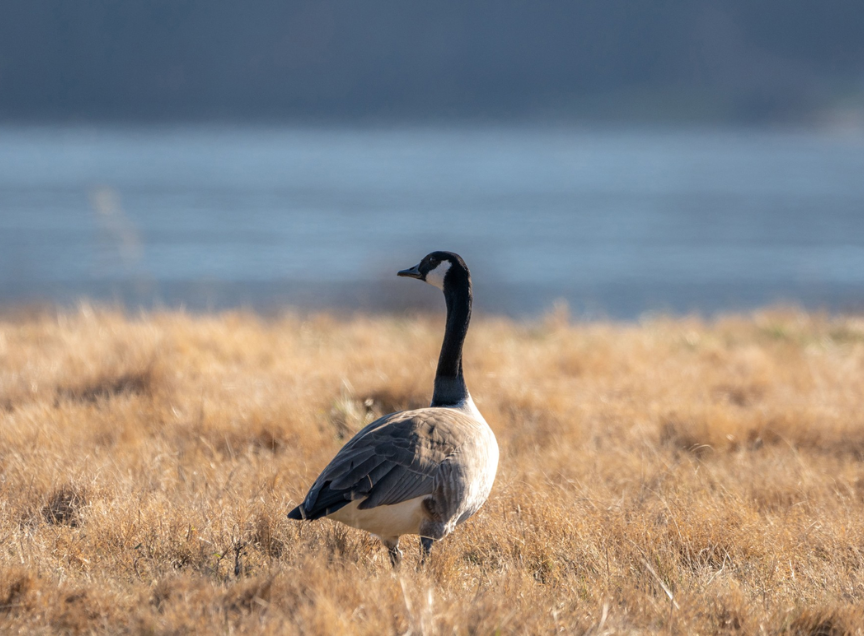
The USDA’s Animal and Plant Health Inspection Service, on Dec. 22, reported that for the previous 30 days there have been 70 confirmed flocks with HPAI, 24 being commercial flocks and 46 backyard flocks, affecting 820,000 birds. The department adds that for Tennessee there have been zero commercial or backyard flocks affected. For wild birds in Tennessee, the last two detected were on Dec. 8, a Canada goose in Shelby County, and on Nov. 6 a red-breasted goose, also in Shelby County.
