

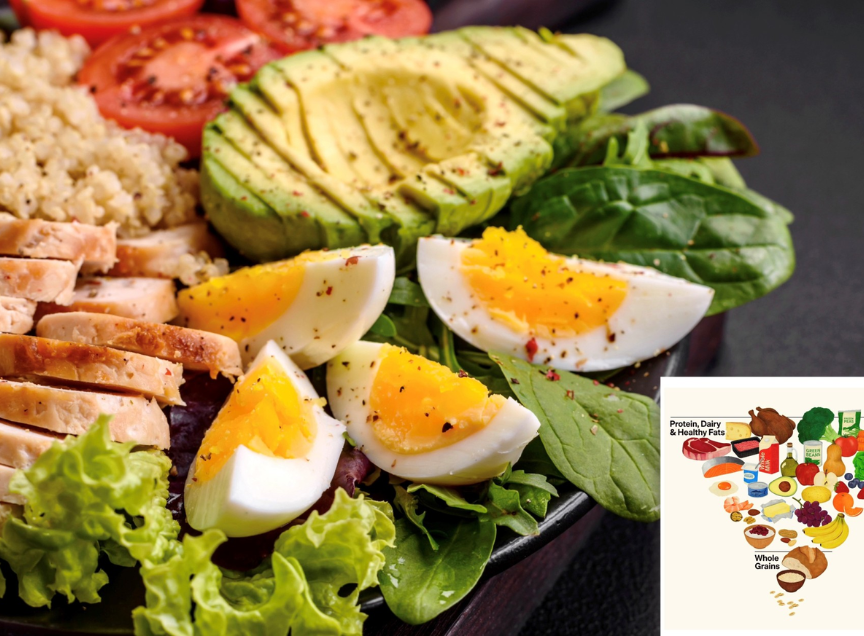

WASHINGTON — With the recently released new “Dietary Guidelines for Americans,” the poultry and egg industries have an additional cause to promote their offerings as protein is being prioritized for every meal.
The recent announcement, made by Robert F. Kennedy Jr., U.S. Department of Health and Human Services secretary; and Brooke Rollins, U.S. Department of Agriculture secretary, pushes what is being deemed “real food” through the first major reset of the national nutritional policy in several years.
“The Guidelines return us to the basics,” Kennedy said in the announcement. “American households must prioritize whole, nutrient-dense foods — protein, dairy, vegetables, fruits, healthy fats, and whole grains — and dramatically reduce highly processed foods. This is how we Make America Healthy Again.”
“At long last, we are realigning our food system to support American farmers, ranchers, and companies that grow and produce real food,” Rollins added. “Farmers and ranchers are at the forefront of the solution, and that means more protein, dairy, vegetables, fruits, healthy fats, and whole grains on American dinner tables.”
Among the recommendations given include: a priority for protein; full-fat dairy with no added sugar; whole forms of vegetables and fruits; healthy fats from whole foods like meat, eggs, seafood, nut and seeds, avocados and olives; a whole grain focus but with a reduction in carbohydrates; a limit of highly processed foods with artificial additives and sugars; right amount of food for an individual based on age and activity level; for hydration consuming water and unsweetened beverages; and a limit of alcoholic beverage consumption.
Regarding protein, a fact sheet issued by the Trump administration notes that, “While previous Dietary Guidelines have demonized protein in favor of carbohydrates, these guidelines reflect gold standard science by prioritizing high-quality, nutrient-dense protein foods in every meal. This includes a variety of animal sources, including eggs, poultry, seafood, and red meat, in addition to plant-sourced protein foods such as beans, peas, lentils, legumes, nuts, seeds, and soy.”
These guidelines extend into the nation’s federal nutrition programs.
U.S. Sen. John Boozman (R-Ark.), chairman of the Senate committee on agriculture, nutrition, and forestry, in a statement, said, “These updates provide easy to understand nutritional information for school meals and other federal nutrition programs and helps Americans make healthy, informed choices. I appreciate the work of the Advisory Committee and the efforts of USDA and HHS to develop guidance to improve public health. Ensuring that nutrition recommendations remain balanced, practical, and firmly rooted in evidence-based science is critical. Recognizing the role of nutrient-dense foods, including meat, dairy, fruits and vegetables, in a well-balanced diet will help us meet our nutritional needs while promoting overall health.”
“I am particularly encouraged to see whole milk and other full-fat dairy products brought back into recommended diets of Americans, as these wholesome foods play an important role in Making America Healthy Again and have been pushed to the side of nutrition guidelines for too long,” U.S. Rep. Glenn (GT) Thompson (R-Pa.), chairman of the House agriculture committee, added. “These new guidelines will empower Americans to choose the healthy foods that work best for them, whether fresh, frozen, dried or canned. When our Dietary Guidelines emphasize putting wholesome, healthy foods on dinner tables, we all win — producers and consumers alike.”
Poultry, egg, and agriculture reactions
With poultry and eggs making a return to the top of the “Food Pyramid,” these new guideline recommendations are being welcomed by the nation’s animal protein producers.
“Chicken is back at the top of the new Food Pyramid — where it belongs,” Dr. Ashely Peterson, the National Chicken Council’s senior vice president of scientific and regulatory affairs, said.
“It’s abundantly clear that chicken is a lean and affordable protein that can help all Americans across all stages of life meet the new dietary guidelines,” Peterson said. “We’re pleased the administration tool a science-based and common-sense approach to healthy eating and rejected recommendations put forth by the previous Dietary Guidelines Advisory Committee that emphasized plant-based proteins over lean meats like chicken, as evidenced in the new Food Pyramid.”
“Combined with its nutritional value, positive health benefits, popularity, versatility, affordability, and environmental sustainability, chicken is a pillar of the protein subgroup, and we’re pleased that is reflected in the new Dietary Guidelines for Americans,” she added.
Egg industry representatives are taking the opportunity to again tout how eggs are not only a great protein source, but also nutrient rich.
“The new Guidelines reinforce what decades of research have shown: eggs are a perfect protein and a nutritional powerhouse that supports health across the lifespan,” Emily Metz, American Egg Board president and CEO, said. “As protein takes center stage in these Guidelines, eggs continue to lead the way as a healthy, high-quality, accessible protein option that families can rely on every day. This continued confidence in eggs is meaningful for the farmers who produce them and for the Americans who count on them.”
“America’s egg farmers are proud to produce eggs — a healthy, natural food with high-quality protein and essential nutrients,” Chad Gregory, United Egg Producers president and CEO, said. “The Dietary Guidelines for Americans are important, and we appreciate the recognition of the value of eggs in the 2026 guidelines, which make both whole foods and protein a priority.”
“One egg alone has six grams of protein, and the protein quality of an egg is so high that eggs are often used as the standard for measuring the protein value of other foods,” Gregory noted. “U.S. egg producers are grateful for the continued support of the egg industry by USDA, HHS and the administration.”
“The science behind eggs has been consistent for years,” Dr. Jen Houchins, AEB’s director of nutrition research, said. “Eggs deliver a complete and bioavailable protein along with essential nutrients like choline that support health from pregnancy through healthy aging. This guidance reinforces that eggs are a smart, nutritious choice people can feel good about putting in their shopping cart.”
Also advancing the discussion of lean and nutritious protein, the turkey industry notes that it offers products that perfectly fit this definition.
“Turkey plays an important role in helping Americans meet the key nutritional goals outlined in the Dietary Guidelines,” Leslee Oden, National Turkey Federation president and CEO, said in a statement. “As a lean, nutrient- dense protein, turkey is naturally low in fat and rich in high-quality protein, essential amino acids and important vitamins and minerals. Its versatility makes it an excellent choice for a wide range of meals and dietary patterns, whether served as a traditional roast, prepared on the grill, eaten on a sandwich or incorporated into everyday dishes.”
“The DGA’s emphasis on animal protein as a cornerstone of healthy, balanced dietary patterns aligns with our shared goal of helping American families thrive through practical, affordable and accessible nutrition guidance,” she said.
“Turkey products of all varieties provide safe, accessible and high-value nutrition that support healthy eating patterns when consumed as part of a balanced diet,” Oden added. “NTF and its members remain committed to raising awareness of turkey’s role in nourishing communities and helping Americans make choices that support their long-term health.”
Meat producers are also pleased with this enhanced focus on the value of protein.
“We are pleased the Dietary Guidelines recommend Americans prioritize protein and that families can get that protein from nutrient dense meat and poultry,” Julie Anna Potts, Meat Institute president and CEO, said. “Robust scientific evidence demonstrates that meat is a rich source of high-quality protein, essential vitamins, and highly bioavailable minerals that support human health throughout the lifespan.”
The Meat Institute adds that the guidelines recommend, based on an individual’s calorie requirements, 1.2 to 1.6 grams of protein servings per kilogram of body weight every day.
“The Meat Institute and its members will work with policymakers and the Administration to ensure consumers understand that both minimally processed and further processed meat and poultry products are an affordable, accessible, direct, and balanced dietary source of protein, essential amino acids and more,” Potts added.
Zippy Duvall, American Farm Bureau Federation president, noted that the bureau “appreciates HHS and USDA for recognizing the importance of America’s farmers and ranchers who grow a safe and nutritious food supply.”
“The new dietary guidelines acknowledge the value of prioritizing high-quality protein, dairy, and fresh fruits and vegetables,” Duvall said. “Farm Bureau looks forward to working with the administration to ensure food policy decisions are grounded in science and easily understood so America’s families have confidence when stocking their pantries.”
However, with the guideline’s highlight on whole-fats, groups such as the American Heart Association, while noting the importance of protein, is also urging caution and to focus on the consumption of low-fat and plant-based proteins.
“We see an important opportunity to educate consumers about the scientific basis for certain recommendations,” the American Heart Association said in its statement. “For example, we are concerned that recommendations regarding salt seasoning and red meat consumption could inadvertently lead consumers to exceed recommended limits for sodium and saturated fats, which are primary drivers of cardiovascular disease. While the guidelines highlight whole-fat dairy, the Heart Association encourages consumption of low-fat and fat-free dairy products, which can be beneficial to heart health.”
“Protein is an essential component of a healthy diet, and we urge more scientific research on both the appropriate amount of protein consumption and the best protein sources for optimal health,” the AHA added. “Pending that research, we encourage consumers to prioritize plant-based proteins, seafood and lean meats and to limit high-fat animal products including red meat, butter, lard and tallow, which are linked to increased cardiovascular risk.”
To view more information online about the new Dietary Guidelines, visit https://realfood.gov.
