

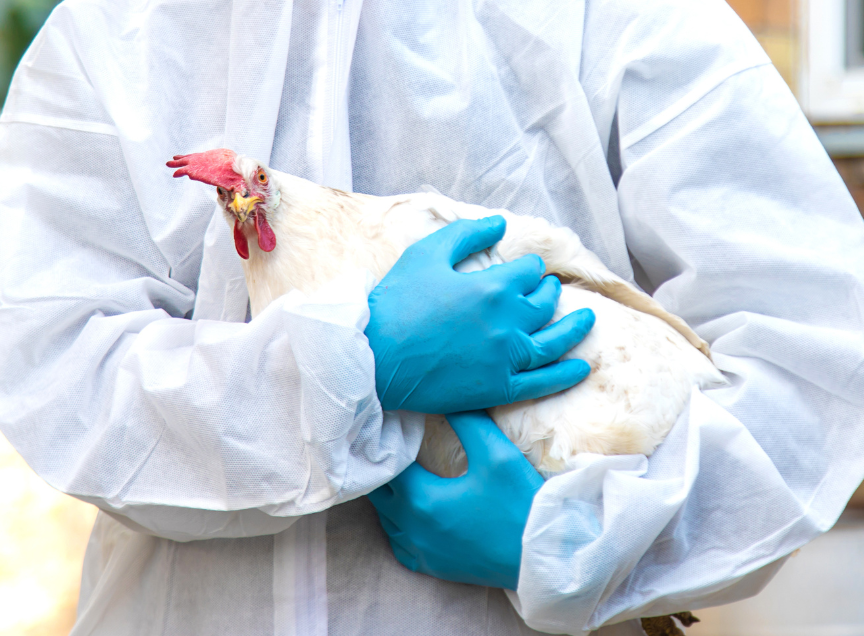

GAINESVILLE, Ga. — For the past four years, highly pathogenic avian influenza has been an ongoing outbreak effecting the poultry industry in the United States and worldwide. However, this year, there have been multiple extended periods with little to no commercial cases of the virus detected in the U.S.
For example, from June 4 to July 4, there were 0 commercial cases of bird flu detected in the United States, according to data from the USDA. Then, in the entire month of July, there were only two commercial cases detected. Both cases were in Cache County, Utah, and more than 1 million birds were affected.
However, overall, it has been a quiet summer for bird flu detections.
Additionally, the state of Indiana was declared HPAI-free on Aug. 13 in accordance with the standards set by the World Organization for Animal Health (WOAH). This designation eases export restrictions and international trade barriers for Indiana poultry and poultry products, the Indiana Board of Animal Health said in a statement.
All control areas and surveillance zones have been released, and most farms are cleared to restock, Indiana BOAH added.
Throughout the entire outbreak, Indiana is one of the states with the highest number of total affected commercial flocks with 128 affected flocks. Only Minnesota and South Dakota have more affected flocks, with Minnesota having 171 and South Dakota having 144, according to data from the USDA.
Indiana’s last confirmed commercial case was on June 3 at a commercial duck meat facility in Elkhart County.
Despite how long it’s been since Indiana has had a confirmed case, poultry owners should remember that this HPAI-free status is not an “all clear” or an indication that the risk of disease is over in the state. Owners of large, small, commercial, or backyard flocks should still remain vigilant in their biosecurity practices.
Bird flu is very much still active throughout the United States and worldwide.
In fact, on Aug. 12, South Dakota reported the U.S.’s first commercial case of bird flu since July 13. More than 74,000 birds were affected at a commercial turkey meat facility in Beadle County, according to USDA data.
This is the state’s 10th case of bird flu in 2026. The last time South Dakota had a confirmed case was on April 21 at a commercial turkey breeder facility in Edmunds County.
Although Indiana is currently HPAI-free, and the South Dakota detection is the only one in the past month, bird flu is not going away.
It’s been slow during the hotter months, but the fall bird migration is just around the corner, so poultry owners must continue to practice proper biosecurity methods.
On Aug. 18, APHIS reported that for the previous 30 days there have been 1 commercial flock and 0 backyard flocks affected by HPAI. Commercial flocks include 1 in South Dakota. These combined national confirmations totaled 74,900 affected birds.
For more information on bird flu, visit APHIS at https://www.aphis.usda.gov/livestock-poultry-disease/avian/avian-influenza.
