

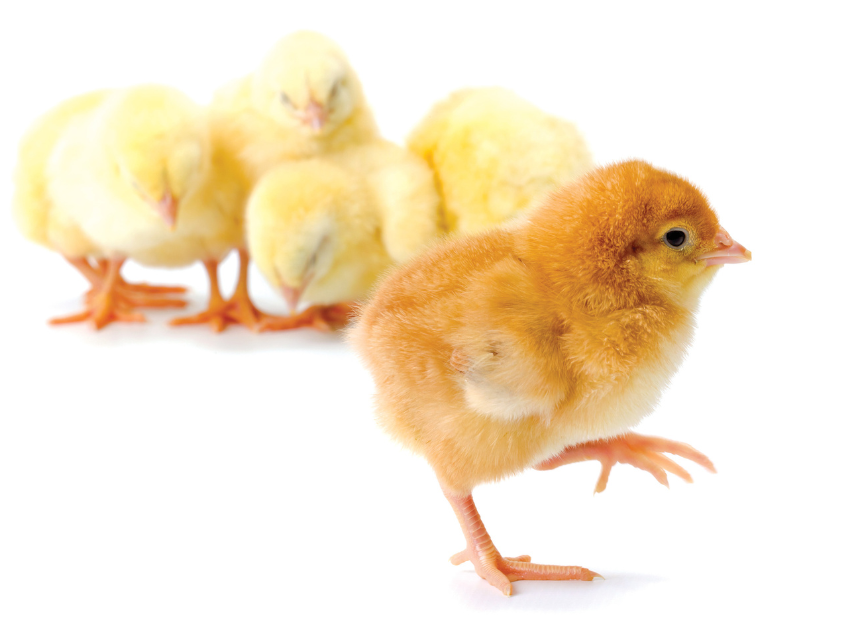

WASHINGTON — Providing production number insights into the nation’s top hatchery/breeder companies, the USDA’s National Agricultural Statistics Service, in its recent reports, gives updates on broiler chicks and turkey poult hatch numbers for the U.S.
In its most recent “Chickens and Eggs” report, NASS notes that broiler-type chicks hatched for May 2026 were up 3 percent from last year.
“Broiler-type chicks hatched during May 2026 totaled 900 million, up 3 percent form May 2025,” NASS said. “Eggs in incubators totaled 771 million on June 1, 2026, up 2 percent from a year ago. Leading breeders placed 8.55 million broiler-type pullet chicks for future domestic hatchery supply flocks during May 2026, up 6 percent from May 2025.”
For broiler egg-type chicks, they are reported down 1 percent for the May production, USDA notes.
“Egg-type chicks hatched during May 2026 totaled 59.6 million, down 1 percent from May 2025,” NASS reports. “Eggs in incubators totaled 58.1 million on June 1, 2026, down 3 percent from a year ago. Domestic placements of egg-type pullet chicks for future hatchery supply flocks by leading breeders totaled 258,000 during May 2026, up 5 percent from May 2025.”
Total egg production for May reached 9.21 billion, which is up 5 percent from last year, the report said, adding that total layers on June 1 were 377 million, an increase of 5 percent from 2025. NASS also notes that of this 377 million, 312 million layers were for table eggs, 60.7 million for broiler-type hatching eggs, and 4.70 million for egg-type hatching eggs. The average lay per day rate per 100 layers on June 1 was 78.7.
For turkey eggs incubators, NASS notes a 1 percent increase in its June “Turkey Hatchery” report, adding that the total was 24.5 million.
“Turkey poults hatched during May 2026 in the United States totaled 20.7 million, down 4 percent from May 2025,” the report said. “Poults hatched were down 3 percent from the April 2026 total of 21.2 million poults.”
The net turkey poults hatched for the month were down 4 percent, NASS adds.
“The 19.8 million net poults placed during May 2026 in the United States were down 4 percent from the number placed during the same month a year earlier,” the report added. “Net poult placements were down 3 percent from the April 2026 total of 20.5 million.”
And in its June 17 “Broiler Hatchery” report, NASS notes that broiler-type eggs set were up 1 percent, and chicks placed were up 2 percent.
“Hatcheries in the United States weekly program set 255 million eggs in incubators during the week ending June 13, 2026, up 1 percent from a year ago,” the report said. “Average hatchability for chicks hatched during the week in the United States was 79.3 percent.”
The agency adds that for average hatchability it is figured by dividing the chicks hatched during the week by the eggs set three weeks prior.
For chicks placed, NASS said, “broiler growers in the United States weekly program placed 198 million chicks for meat production during the week ending June 13, 2026, up 2 percent from a year ago.”
“Cumulative placements from the week ending Jan. 10, 2026, through June 13, 2026, for the United States were 4.52 billion,” the report noted. “Cumulative placements were up 2 percent from the same period a year earlier.”
For the year — in its annual “Hatchery Production” summary report released in April, NASS noted that broiler-type hatching chicks hatched last year amounted to 10.3 billion, which is a 1 percent increase from the year before. Egg-type chicks hatched for 2025 totaled 690 million, which was up 8 percent from 2024.
“Leading United States breeders had intended placements of 102 million broiler-type pullet chicks for future domestic hatchery supply flocks during 2025, down 1 percent from 2024,” NASS said. “Leading United States breeders had intended placements of 2.72 million egg-type pullet chicks for future domestic hatchery supply flocks during 2025, down 1 percent from 2024.”
The capacity for the nation’s chicken hatcheries on Jan. 1, 2026, USDA added, was 1 billion eggs, which is up 1 percent from the same time the previous year.
