

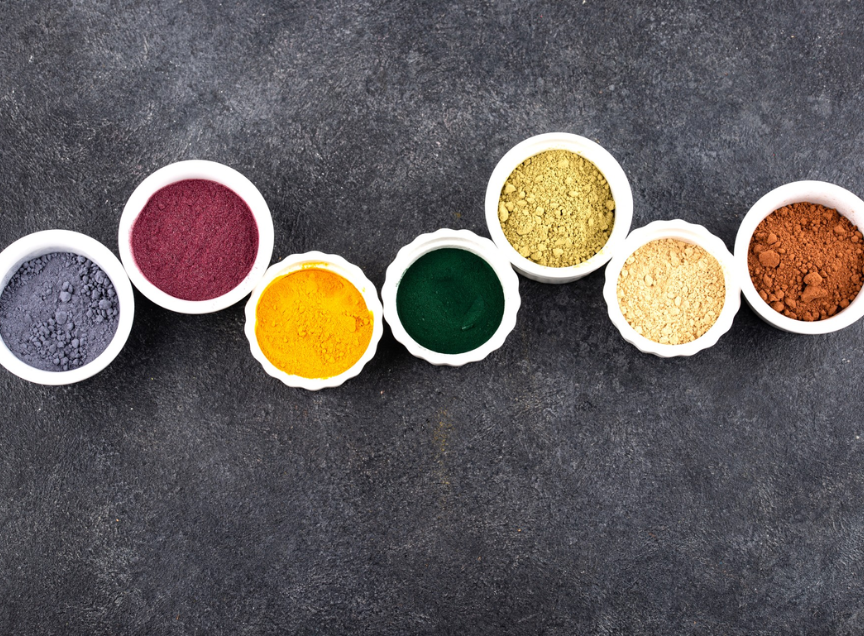

WASHINGTON — Efforts continue to support food producers in using the claim of “no artificial colors,” even when the coloring used is from natural sources. This is part of the U.S. Food & Drug Administration’s push to transition away from the use of petroleum-based food colors.
Previously the use of the phrase was for only when the food products contained no added color, at all.
The FDA has sent a letter of industry that gives notice to producers of the agency’s intent of enforcement discretion regarding these voluntary labeling claims, it said in an announcement.
“This is real progress. We are making it easier for companies to move away from petroleum-based synthetic colors and adopt safer, naturally derived alternatives,” Robert F. Kennedy, Health and Human Services secretary, said in a statement. “This momentum advances our broader effort to help Americans eat real food and Make America Healthy Again.”
Approval for two additional natural food colors — beetroot red and spirulina extract — were also included in the announcement. There are now six new and natural food color options that have recently been approved. In the past year, the agency has been working toward removing the use of such synthetic food dyes like FD&C (Food, Drug, and Cosmetic) Red No. 3.
The Consumer Brands Association, which represents the consumer-packaged goods industry, has voiced its approval of this new labeling approach.
Sarah Gallo, Consumer Brands Association senior vice president, said the association, “had made voluntary commitments to remove certified FD&C colors from America’s food supply and today’s announcement from the FDA supports food and beverage manufacturers’ efforts to innovate to meet consumer demand.”
“All natural ingredients should continue to follow a rigorous science and risk-based evaluation process,” Gallo added. “In order to continue delivering affordable, convenient and safe products to consumers, manufacturers need increased access to natural color alternatives. This is a positive example of the FDA taking the lead on ingredient safety and transparency.”
Beginning last April, the FDA and HHS were encouraging food producers to work toward eliminating petroleum-based food colors in products.
“We are working diligently to facilitate industry’s phase out of petroleum-based colors and speed up authorizations for colors that are derived from alternative sources,” Kyle Diamantas, FDA’s deputy commissioner for human foods, said. “The actions announced … give companies even more ways to transition to the use of alternative colors derived from natural sources.”
The FDA notes that it is encouraging food producers to use alternative and natural sources for its coloring but also stresses the importance of maintaining food safety.
“We acknowledge that calling colors derived from natural sources ‘artificial’ might be confusing for consumers and a hindrance for companies to explore alternative food coloring options,” Dr. Marty Makary, FDA commissioner, said in the announcement. “We’re taking away that hindrance and making it easier for companies to use these colors in the foods our families eat every day.”
