


ATLANTA — A non-commercial, non-poultry backyard flock in Henry County, Ga., has recently been confirmed with H5N1 highly pathogenic avian influenza. The Georgia Department of Agriculture, and the USDA Animal and Plant Health Inspection Service verified the positive case of the mixed species flock, which consisted of approximately 45 birds.
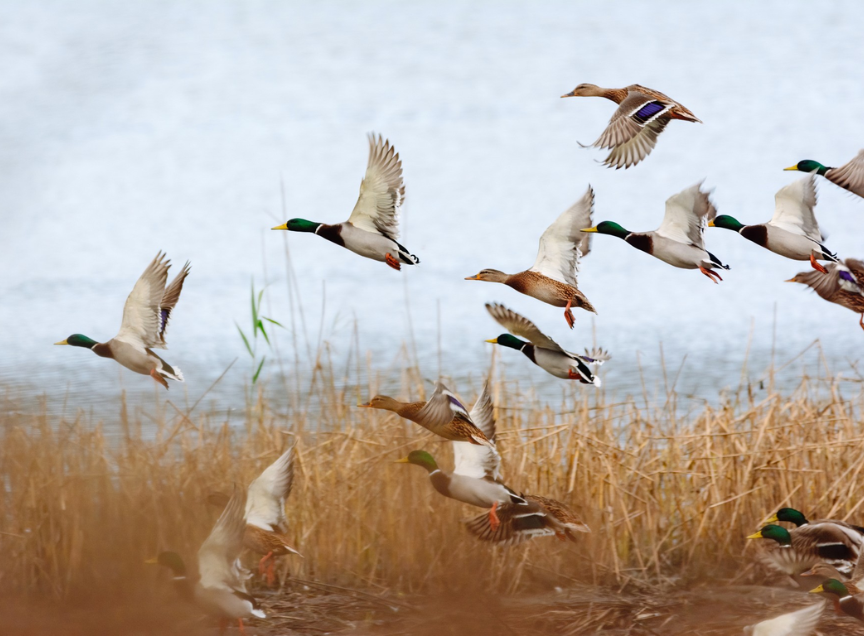
This flock marks the first confirmed in Georgia since the commercial HPAI case in January 2025. Authorities believe that transmission most likely occurred from wild bird exposure.
“Backyard flocks that frequently interact with native wildlife, particularly waterfowl and vultures, have a higher risk of contracting avian influenza, and we’re continuing to ask flock owners to closely monitor the health of their birds and immediately report any suspected illness.” Tyler Harper, Georgia agriculture commissioner, said in an announcement.
“I am incredibly proud of our response effort,” Harper added. “Our team deployed immediately to the affected premises and worked swiftly to successfully contain the disease, prevent any further spread, and decontaminate the premises.”
In late August, the flock owners noticed an increased mortality in the flock and reported it with the Georgia Poultry Laboratory Network. The GPLN and the USDA National Veterinary Services Laboratory confirmed the positive presence of H5N1 avian influenza. State officials have completed the protocol of depopulation, disposal, cleaning and disinfection of the location to control any further spread of the disease, and further monitoring will continue.
GDA adds that no commercial poultry operations are located with a 6.2-mile radius of the affected backyard flock, however, poultry owners need to remain vigilant against the virus with strict biosecurity measures. Any producers in Georgia who noticed increased illness or death in birds, should contact the Georgia Avian Influenza Hotline at 770-766-6850.
On Sept. 8, APHIS reported that for the previous 30 days, the United States has had 7 confirmed bird flocks, consisting of 4 commercial flocks and 3 backyard flocks, affecting about 200,000 birds. This occurrence follows closely the confirmed commercial turkey flocks in North and South Dakota.
