


LANSING, Mich. — With highly pathogenic avian influenza outbreaks continuing to see increases through this autumn, Michigan, along with other states, has reported more HPAI detections.
The Michigan Department of Natural Resources has issued a reminder to the state’s waterfowl hunters to increase their precautions to protect against bird flu. For 2025, the Michigan DNR has reported more wildlife cases than last year. So far for this year there have been 145 cases, with the most reported in Grand Traverse County with 12. These wildlife cases have involved species such as Canada geese, red-tailed hawks and bald eagles.
“The disease has been found in every Michigan watershed, indicating that it has occurred throughout the state,” Michigan DNR said in an announcement.
“Make sure to take appropriate precautions when field dressing wild birds,” Dr. Scott Larsen, Michigan DNR wildlife veterinarian, said in a statement. “In order to kill the virus, use a food thermometer to ensure that meat is cooked to an internal temperature of 165 degrees F. It’s also important to properly clean and disinfect gear and equipment before coming into contact with domestic birds.”
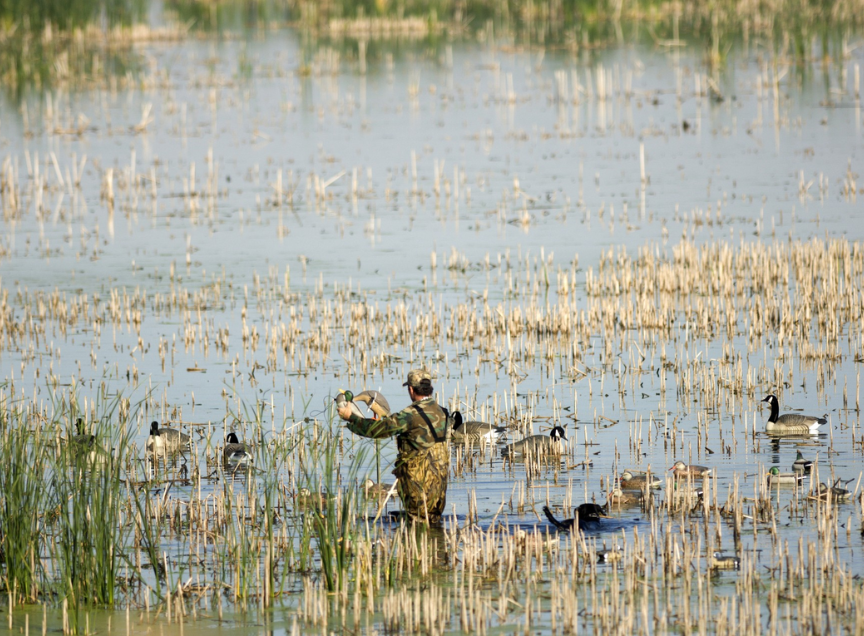
Michigan’s final waterfowl season closes on Feb. 15. Among the precautions that the state’s DNR advises include:
· Not handling or harvesting wild birds that have obvious signs of sickness or are found dead.
· Wild birds should be processed in the field, with the remains either buried on-site or double-bagged and disposed of in trash.
· When cleaning and handling wild birds wear either disposable or rubber gloves, and wash hands with or use alcohol-based sanitizer even if they do not appear visibly dirty.
· Avoid touching eyes, nose, or mouth when cleaning wild birds.
· Thoroughly clean and disinfect all equipment.
· Avoid eating, drinking and smoking when cleaning wild birds.
· If in contact with obviously sick wild birds monitor personal health conditions for 10 days following last exposure.
Since this current outbreak of HPAI began in 2022, Michigan’s DNR has seen wild bird and mammal die-offs across the state and is prioritizing the testing of dead bird die-offs of six or more birds. Affected bird species have included waterfowl, raptors, gulls, terns, and scavenger species.
For hunters in Michigan, if a wild bird die-off of six or more birds is located, report it through the DNR’s “Eyes in the Field” online tool at https://www2.dnr.state.mi.us/ors/Home.
For commercial and backyard flocks, the Michigan Department of Agriculture and Rural Development on Nov. 24 reported HPAI presence in an Ontonagon County backyard flock. On Nov. 12, the MDARD, and the Michigan State University Veterinary Diagnostic Laboratory detected HPAI in three commercial flocks from Ottawa County, one backyard flock in Monroe County, and a backyard flock in St. Clair County. On Nov. 10, HPAI was reported in an Allegan County commercial flock. A commercial flock was also confirmed on Oct. 31 in Ottawa County, which marked the 10th HPAI case in this county since the outbreak began in 2022, MDARD noted.
If domestic or farm birds in Michigan are suspected of being sick, contact MDARD at 800-292-3939.
The USDA Animal and Plant Health Inspection Service reports that Michigan last reported a HPAI detection on Nov. 21. And nationally, APHIS noted on Dec. 2, that for the previous 30 days there have been 97 confirmed flocks, with 43 being commercial and 54 backyard flocks, affecting 1.33 million birds.
