

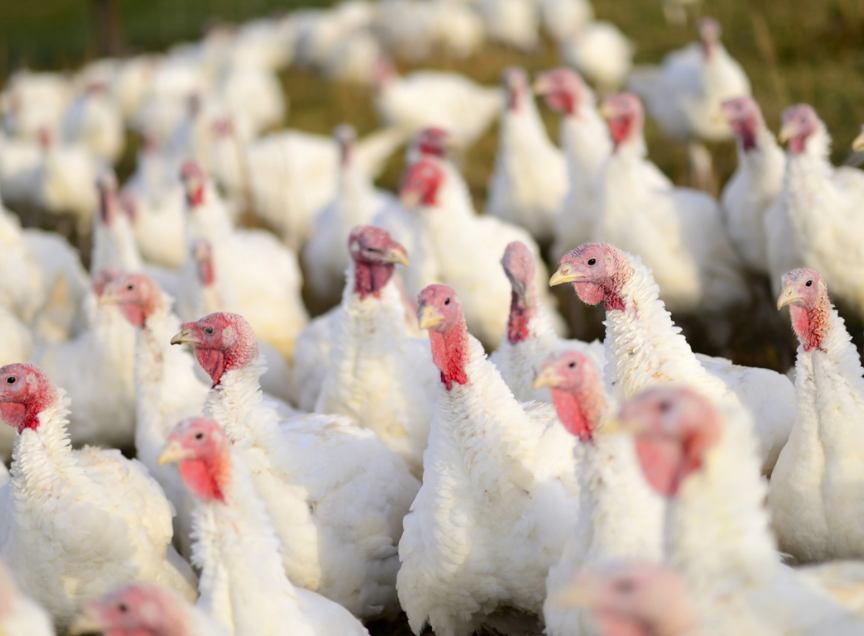

ST. PAUL, Minn. — Minnesota, the nation’s number one turkey production state, continues to be impacted in its commercial turkey flocks by highly pathogenic avian influenza outbreaks. The fall wild bird migration is in full swing and is a likely culprit for spreading the virus along the nation’s flyways.
In recent weeks, Minnesota has seen confirmed HPAI detections on commercial turkey flocks in Redwood, Kandiyohi, Meeker, Becker and Stearns counties. The farms in these Central and South Minnesota counties have accounted for approximately 30,400 birds in Kandiyohi County, 92,000 in Meeker County, 61,000 in Stearns County, 72,500 in Becker County, and approximately 20,000 in Redwood County.
The Redwood turkey flock, which showed signs of increased mortality, and HPAI confirmed was the first detection in the county since April, with the Minnesota Board of Animal Health noting that the state’s animal health officials had worked hard during the summer months with the state declaring freedom from avian influenza in late August.
“Though we remain hopeful that we can eliminate HPAI in Minnesota’s poultry stock, this case was not wholly unexpected as we move into the migration season for wild waterfowl,” Dr. Shauna Voss, Minnesota Board of Animal Health assistant director, said in an announcement. “Vigilance and robust biosecurity remain the best methods for flock owners to protect poultry from avian influenza.”
Minnesota produces approximately 40 million turkeys annually, the Minnesota Department of Agriculture notes, adding that the state’s 666 turkey farms account for 18 percent of all turkeys raised in the United States, and generate about $774 million in cash receipts every year.
On Oct. 20, USDA’s Animal Plant Health and Inspection Service reported that for the past 30 days, Minnesota has been impacted by HPAI on 15 commercial flocks, and 1 backyard flock for a total of 532,180 birds affected. Nationwide, APHIS noted that for the previous 30 days there have been 49 confirmed flocks, of which 29 have been commercial farms and 20 backyard flocks, affecting 6.34 million birds.
